No products in the cart.
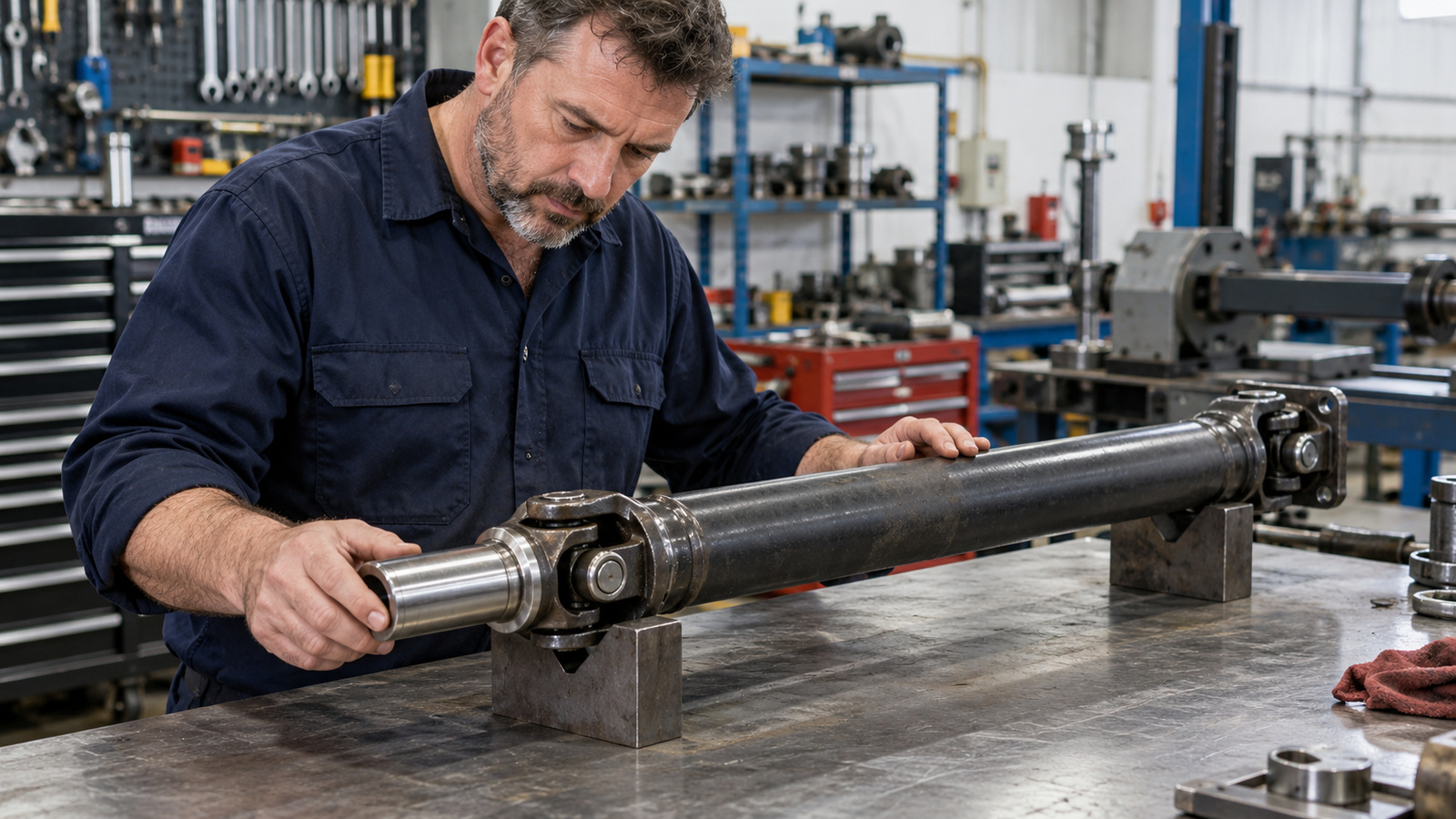


A tailshaft spins at high speed, carrying the engine’s torque from gearbox to differential. Reducing its mass lowers rotational inertia, which means less energy is required to accelerate it. In practice, that translates to quicker response off the line, smoother power delivery and reduced stress on the driveline.
Every kilogram removed from a rotating component has more impact than the same weight saved elsewhere in the vehicle. This is why manufacturers of both performance cars and heavy-duty SUVs are increasingly specifying aluminium or carbon fibre shafts in place of steel.
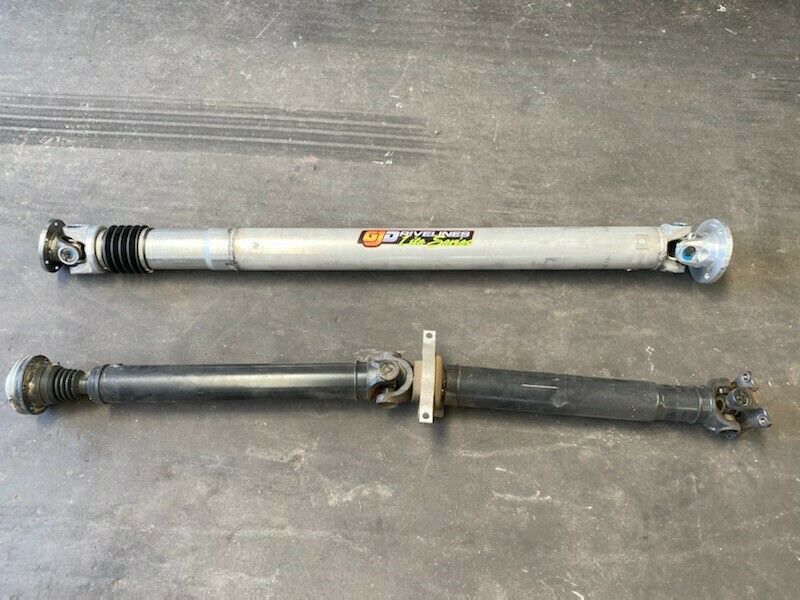
Aluminium shafts are also more resistant to corrosion than steel, a factor that matters in coastal areas or vehicles exposed to road salt. Repair costs remain manageable, and many workshops in Melbourne now stock or manufacture aluminium replacements for popular models.
The drawback is reduced torsional strength compared to steel. For extreme towing or very high-power builds, aluminium may flex more under load, so applications must be matched carefully.
Carbon fibre is already standard in some sports cars and increasingly appears in aftermarket upgrades for performance sedans, 4WDs and SUVs. The main downside is cost. Manufacturing requires specialised processes, and repair is rarely practical once damage occurs. Drivers pay more upfront but gain durability and performance not achievable with other materials.
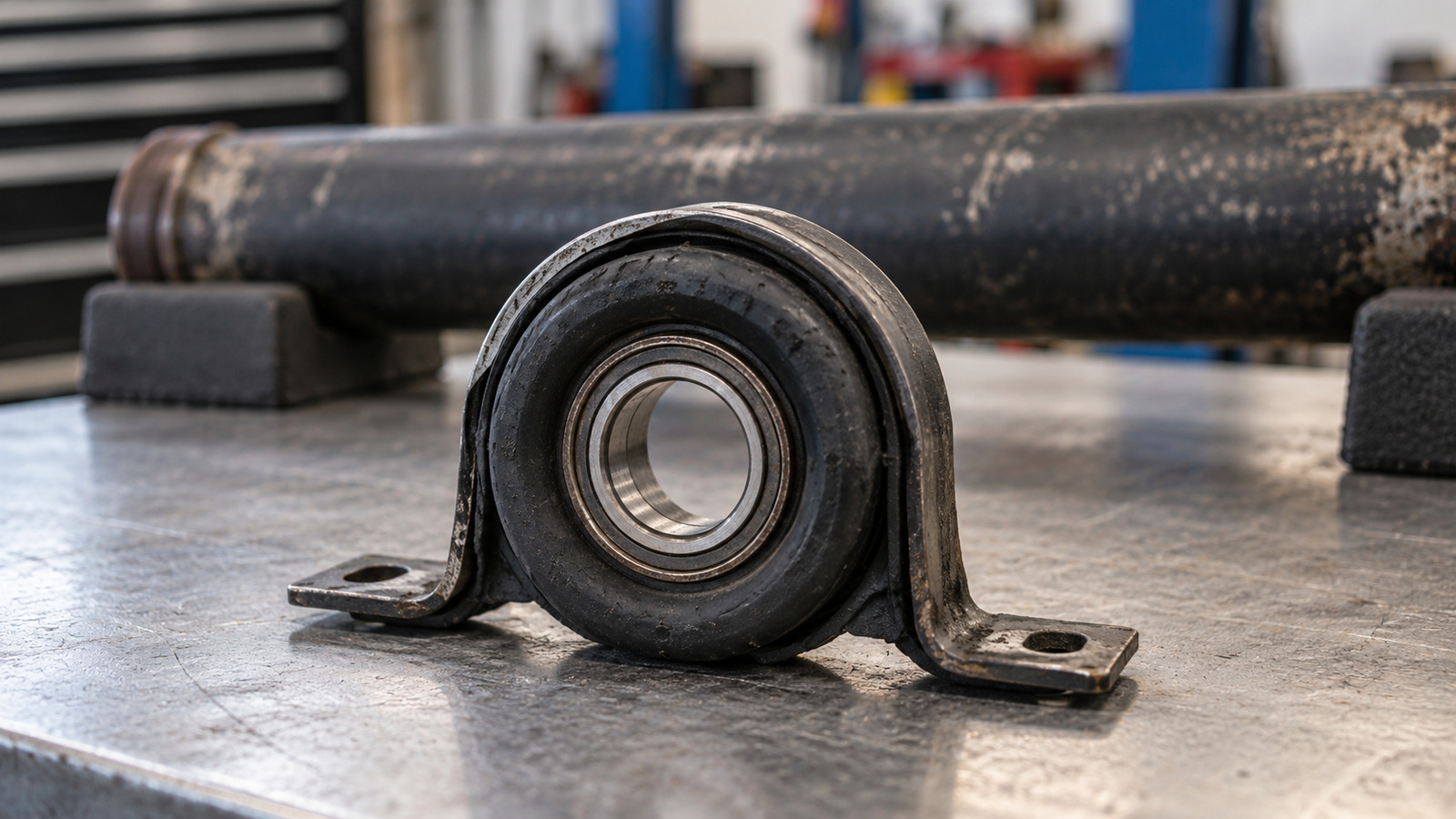
A workshop assessment is vital before switching materials. A shaft that’s too light or flexible for the application can wear joints and bearings prematurely. Conversely, a properly matched upgrade can extend component life and improve overall driveline behaviour.




Chrysler – Dodge
727 – 30 Spline 1 11/16″ Seal Diameter
904 – 26 Spline 1 9/16″ Seal Diameter
Ford
C6-T56 – 31 Spline 1 11/16″ Seal Diameter
AOD & C4 & T5 – 28 Spline 1 1/2″ Seal Diameter
4 R 7OW – 28 Spline 1.598″ Seal Diameter
General Motors
T-350 700R4-4LLOE – 27 Spline 1 1/2″ Seal Diameter
T-400-4L80E – 32 Spline 1 7/8″ Seal Diameter
Note: Transmission slip yokes are manufactured with various U-Joint Series. It is important to match Horsepower and Torque requirements to U-Joint Series. For aftermarket transmission applications usually a spline count and seal diameter will identify slip yoke required.

If Pinion Yoke has Placement tabs that retain the U-Joint, measure inside tabs. See Diagram D.

If Pinion Yoke does not have Placement Tabs that retain U-Joint, measure from flat of yoke inside to inside. See Diagram E.

If 4 bolt Flange is used on pinion, measure Pilot Diameter and center to center diagonally bolt hole to bolt hole. See Diagram L.

Universal Joint Size. There are hundreds of U-Joint sizes or “Series” to accomodate many different applications of power and desired longevity for your automotive, 4×4 truck or auto racing requirements, these 4 series of joints cover most needs.
1310 Spicer Series: 1 1/16″ Cup Diameter (Dim C – Diagram A) 3 7/32″ length (Dim B – Diagram A) Certain Ford applications have 2 cups 1 1/8 Diameter. Appropriate horse power range is up to 500 in circle track or road racing, small tire drag racing and 4×4. Also available: Performance Dynamic Cryo Joint.
1330 Spicer Series: 1 1/16″ Cup Diameter (Dim C – Diagram A) 3 5/8″ length (Dim B – Diagram A) Certain Ford applications have 2 cups 1 1/8 Diameter. Slightly stronger than 1310, Used in 5.0 Mustangs. Also available: Performance Dynamic Cryo Joint.
3R Saginaw Series: 1 1/8″ Cup Diameter (Dim C – Diagram A) Retained with internal clip 2 5/8″ (Dim B – Diagram A). Most common GM joint. Horse power range up to 700 in road racing and circle track. Solid drag racing U-Joint can accomodate most sportsman classes. Also available: Performance Dynamic Cryo Joint.
1350 Spicer Series: Manufactured with OEM tolerances and treated with our Cryogenic Process to yeild the strongest U-Joint available. For drag racing applications a solid non-lube design U-Joint is recommended because of the tremendous initial shock load, or short duration of high torque the joint must be able to withstand.

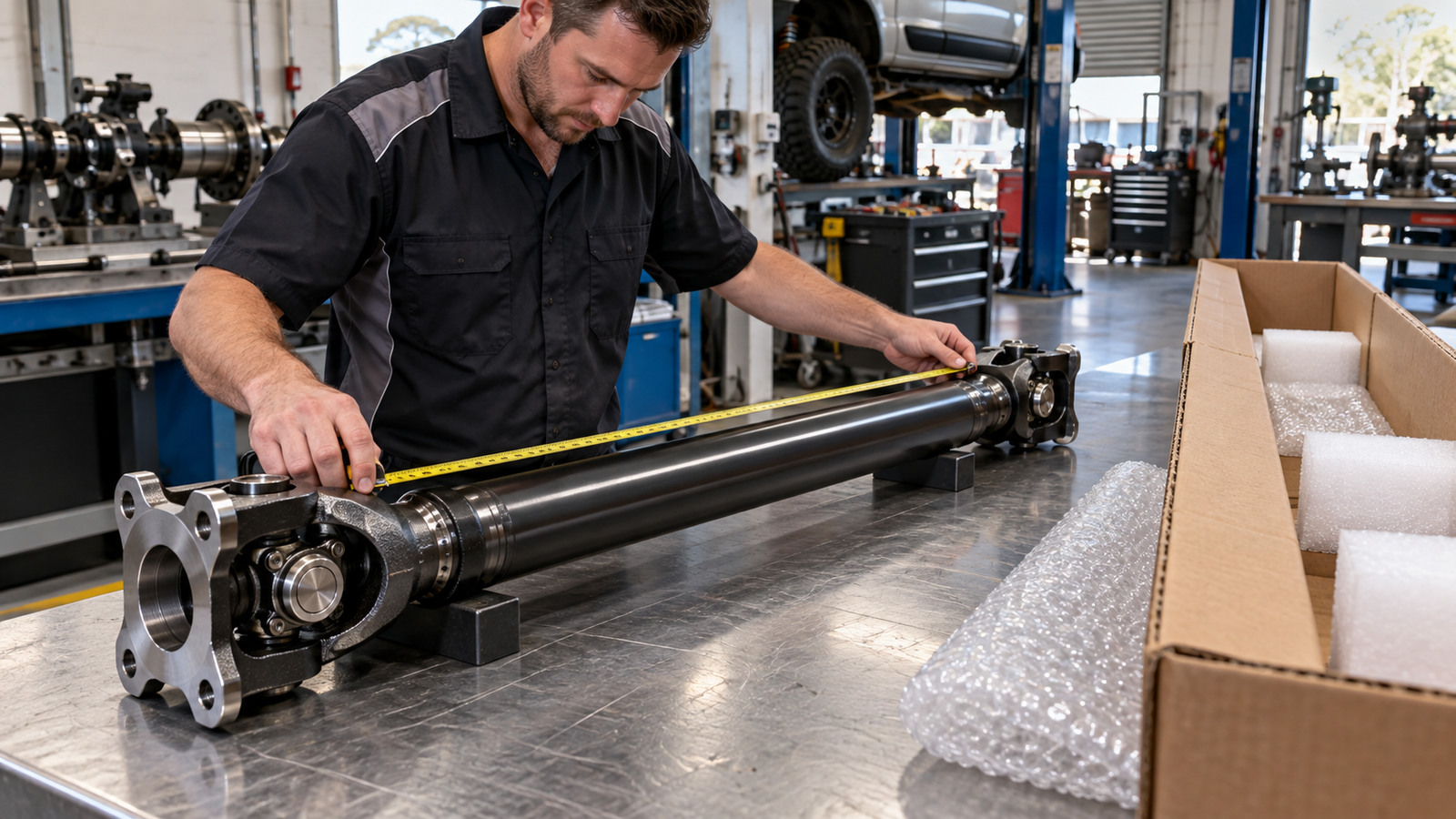
If PST is supplying you with transmission slip yoke, Pinion yoke and driveshaft yoke measure Dim W. See Diagram N.
If PST is supplying you with transmission slip yoke and driveshaft measure Dim X. See Diagram N.
2 Piece driveshafts use Dim Y + Z. See Diagram N.