[fibosearch]

What Motorsport Teaches Us About Tailshaft Performance 

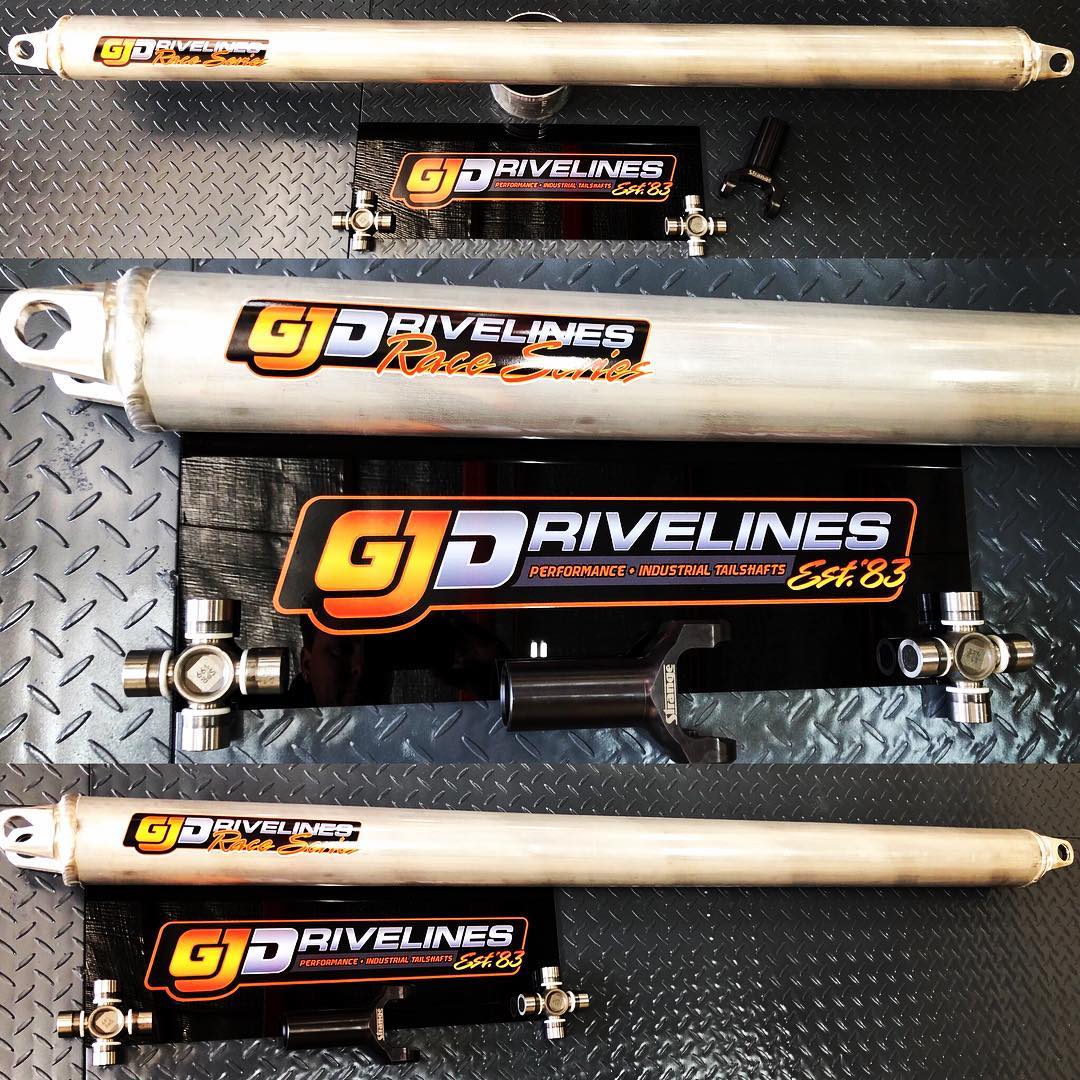
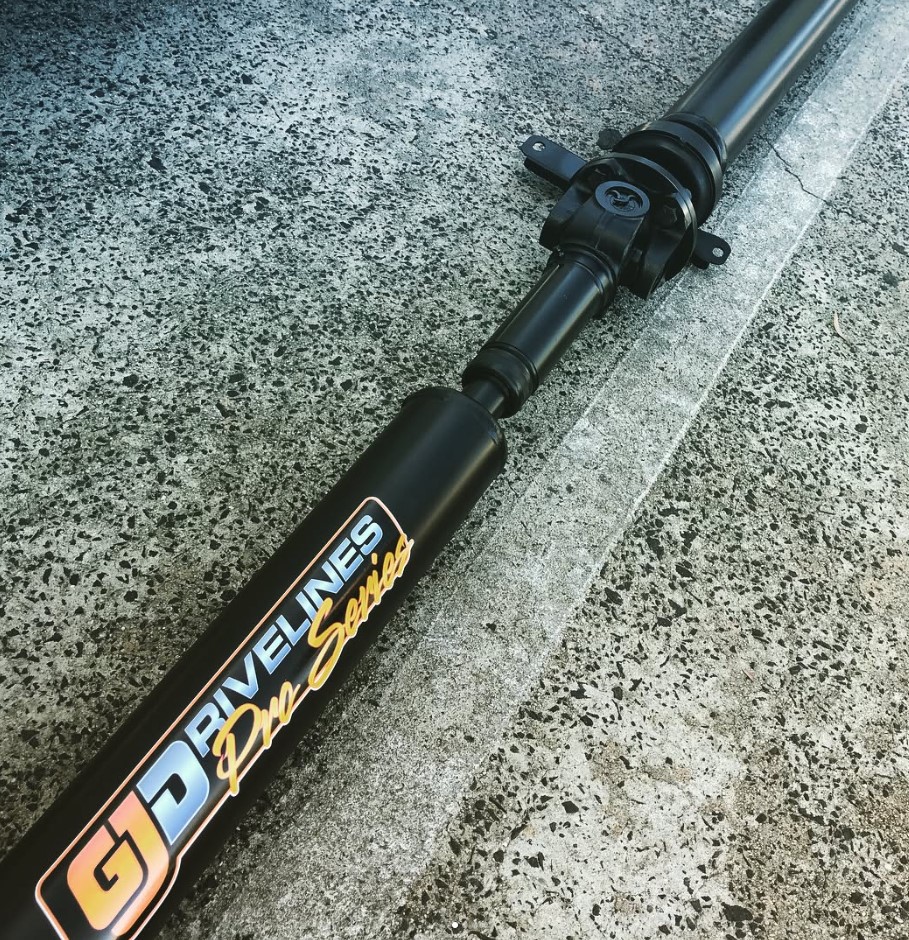
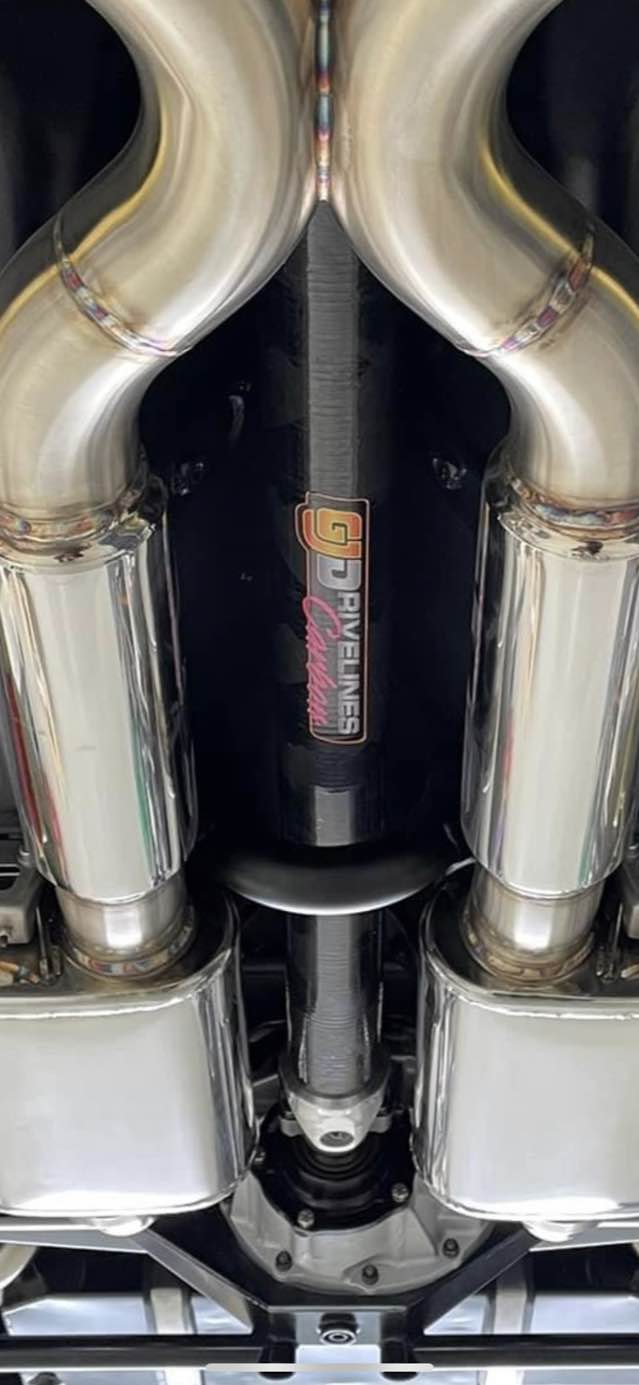
GJ drivelines aluminum tailshaft

Why Tailshafts Matter in Motorsport

A tailshaft, or driveshaft, is the link between the gearbox and the differential. It transfers torque at high rotational speeds while maintaining alignment through suspension travel. In motorsport, where every fraction of a second counts, reliability isn’t negotiable.

If a shaft flexes, vibrates, or fails, the vehicle is out of the race. The consequences can be mechanical damage, loss of control, or both. Motorsport therefore pushes manufacturers and workshops to innovate stronger and more precisely balanced tailshafts.
Rally Cars: Durability in Extreme Conditions

Rally racing presents some of the harshest environments for driveline components. Cars are launched over jumps, hammered across gravel, and forced through deep ruts. Tailshafts must cope with:
Constant shock loading from uneven terrain
Rapid changes in torque during gear shifts
Extreme angular movement as suspension compresses and extends

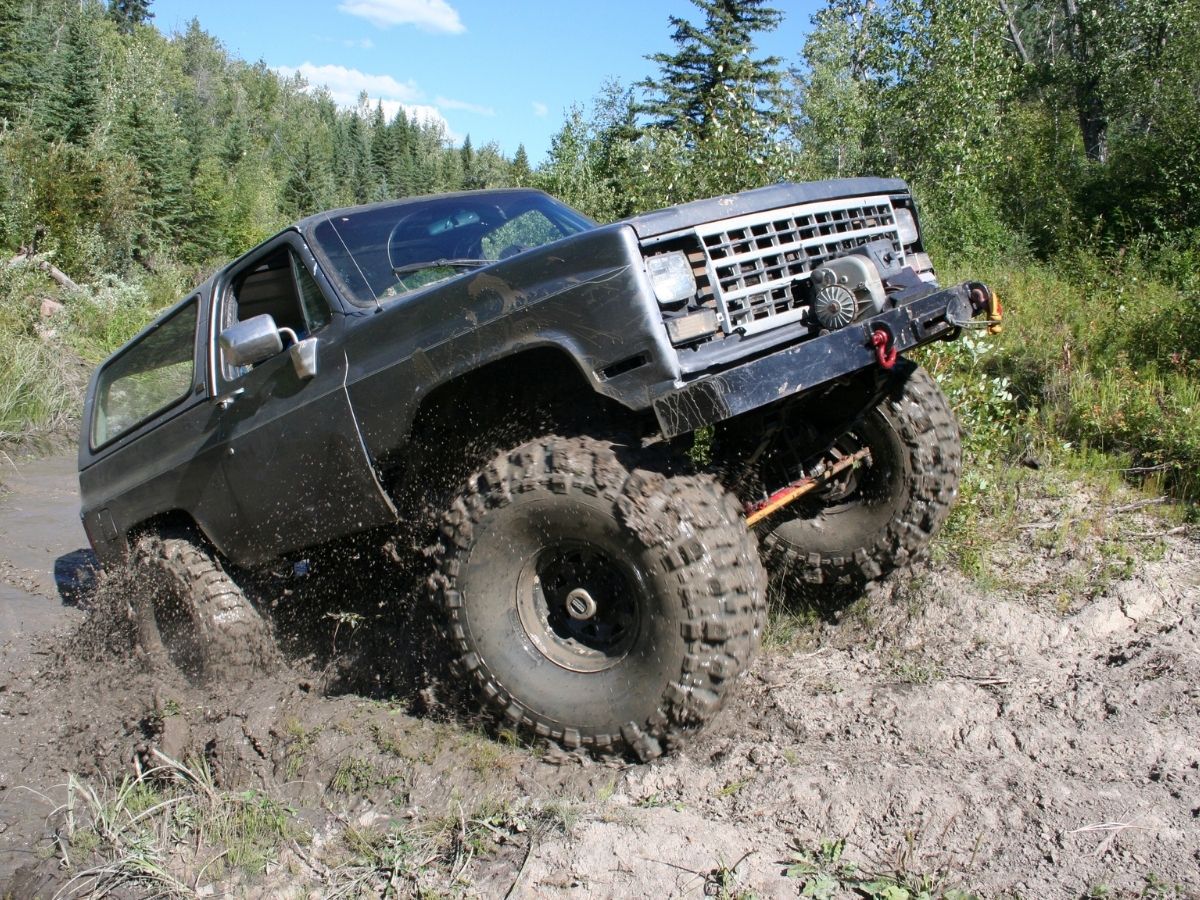
In this environment, durability is everything. Teams use thicker-walled tubing, heavy-duty universal joints, and advanced balancing techniques to stop vibrations from tearing through the driveline. For everyday drivers, these innovations translate into stronger tailshafts for 4WDs used in off-road conditions or towing heavy trailers.

Drag Racing: Power Delivery Without Compromise

In drag racing, the challenge is raw power. Cars producing upwards of 1000 horsepower must deliver torque instantly to the rear wheels without twisting or snapping the tailshaft.

Here, the materials make all the difference. Lightweight aluminium shafts are used for reduced rotational mass, while high-strength chromoly steel or even carbon fibre are chosen for top-tier builds. Precision balancing ensures power is transmitted without vibration at extreme speeds.

Local venues such as Calder Park Raceway in Melbourne continue to highlight this principle. Even at a club drag event, a sudden launch can place immense stress on the driveline. For road applications, the lesson is clear. Whether it’s a performance street build or a ute upgraded for heavy towing, a tailshaft must be matched to the load it will carry. Underestimating power handling capacity is a shortcut to driveline failure.
GJ drivelines aluminum tailshaft

Drift Cars: Balance and Control

Drifting is about controlled chaos. Cars are deliberately pushed into oversteer, relying on throttle modulation and steering precision to maintain angle and speed. Tailshafts in drift cars are under constant stress as torque is repeatedly applied and released in rapid succession.

The key lesson from drifting is balance. A poorly balanced tailshaft introduces vibrations that can unsettle the car mid-slide. At high speeds, that instability can ruin a run or cause mechanical damage.

On the street, this balance translates to smoother driveline performance. For anyone who has felt vibrations at highway speeds, the root cause is often an unbalanced or worn tailshaft. Motorsport proves just how critical precision balancing is for both performance and safety.

Materials That Make the Difference

One of the most important takeaways from motorsport is material choice. Common options include:
  • Steel: Strong and reliable, suited to heavy-duty applications such as 4WDs and towing vehicles
  • Aluminium: Lighter, reducing rotational mass, often used in performance builds where acceleration is a priority
  • Carbon Fibre: Expensive but exceptionally strong and lightweight, offering reduced vibration and higher critical speed
The material chosen affects performance, weight distribution, and longevity. Motorsport shows that cutting corners here is never wise. In endurance events such as the Bathurst 12 Hour, driveline components are selected with fatigue resistance in mind because they must cope with hours of continuous strain.

Precision Balancing: Motorsport’s Non-Negotiable

Every tailshaft used in motorsport is dynamically balanced to exact tolerances. An imbalance at 8000 RPM doesn’t just cause vibration. It can destroy bearings, transmissions, and differentials.

Workshops servicing motorsport vehicles use advanced balancing equipment to achieve this precision. The Formula 3 support races at Albert Park earlier in 2025 reminded teams how critical driveline stability is, especially when track conditions become unpredictable. For road cars, particularly those driven at highway speeds or modified for higher power outputs, the same principle applies. A precision-balanced tailshaft extends component life and prevents costly repairs.

Lessons for Road Vehicles

What do these motorsport insights mean for the average driver? More than you might think. The crossover is particularly clear in:
  • Towing: Caravans and trailers place heavy loads on drivelines. Stronger, well-balanced tailshafts reduce the risk of failure
  • 4WD Upgrades: Off-road driving mirrors rally conditions. Reinforced shafts improve reliability in harsh terrain
  • Performance Builds: Modified engines demand tailshafts capable of handling increased torque. Motorsport materials and balancing apply directly
  • Daily Driving: Even for commuters, balanced and well-maintained shafts mean less vibration, smoother acceleration, and greater safety

Common Tailshaft Issues Motorsport Highlights

From the racetrack to the street, the most frequent tailshaft problems include:
  • Vibration at certain speeds
  • Worn or damaged universal joints
  • Flexing or twisting under heavy load
  • Failure at weld points or splines
Motorsport accelerates these failures, teaching workshops what to look for in preventive maintenance.

Custom Tailshafts: When Off-the-Shelf Isn’t Enough

Another lesson from motorsport is that standard parts don’t always fit the job. Many competition vehicles use custom tailshafts designed to match unique setups, from altered wheelbases to non-standard gearboxes and diffs.

The same applies to road vehicles with modifications. Lifted 4WDs, lowered performance cars, or custom transmissions often need tailshafts built to exact measurements. This ensures the driveline operates smoothly and reliably under load.

The Role of Workshops in Performance Tailshafts

Motorsport shows us that precision engineering isn’t optional. Tailshafts are built, balanced, and tested by specialists who understand the stresses involved.

For Melbourne drivers, accessing that expertise is critical. Workshops like GJ Drivelines combine motorsport insights with local knowledge to produce and maintain tailshafts that perform reliably, whether for a family SUV, a 4WD used in the High Country, or a performance car built for track days.

How Drivelines Benefit from Motorsport Innovation

Tailshafts don’t operate in isolation. They’re part of the larger driveline, connecting the gearbox to the differential. Motorsport development in one area often influences others: stronger CV joints, reinforced gearboxes, or limited-slip differentials.

This interconnected view ensures upgrades are balanced across the driveline, preventing weak links that lead to failure.

The Future of Tailshaft Technology

Looking ahead, motorsport continues to shape the future of driveline technology. Composite materials, additive manufacturing, and hybrid-electric driveline systems are being tested on track. Road cars will inevitably benefit from these advances, just as they have with braking systems, tyres, and aerodynamics.

FAQs

They ensure smooth torque transfer, reduce vibration, and prevent driveline failure under high load or speed.

It depends on use: steel for durability, aluminium for reduced weight, and carbon fibre for top performance.

Symptoms include vibrations at specific speeds, unusual noises, or premature wear of driveline components.

Yes, many materials and designs used in motorsport are applied to road vehicles, especially in towing, 4WD, and performance builds.

If your car has been lifted, lowered, or had its driveline modified, a custom tailshaft is often necessary for correct fit and performance.

At least during major services, or sooner if you notice vibrations, clunks, or driveline noise.

Enquire With Us today

Step 1 of 2

This field is for validation purposes and should be left unchanged.

PLEASE COMPLETE

Step 1 of 2

This field is for validation purposes and should be left unchanged.

PLEASE COMPLETE

Performance + Industrial Tailshafts

Tailshaft Repairs | Customised Tailshafts

Centre Bearings

Same Day Service

Shop online

All your tailshaft needs under one roof

ALL YOUR TAILSHAFT AND DRIVESHAFT NEEDS

  • CUSTOMISED TAILSHAFT MANUFACTURING
  • TAILSHAFT REPAIR, RECONDITIONING AND STRENGTHENING
  • DIGITAL BALANCING
  • REPLACEMENT OF TAILSHAFT COMPONENTS
  • DIAGNOSTIC DRIVING AND VIBRATION ANALYSIS
  • SUPPLIER OF TAILSHAFT COMPONENTS
  • DRIVESHAFT REPAIR AND MANUFACTURING
  • DRIVESHAFT CENTER BEARINGS
  • UNIVERSAL AND CV JOINTS
© 2026 GJ Drivelines. ABN 26 590 635 521. All Rights Reserved. Web Design by CJ Digital

Identify Transmission

Chrysler – Dodge
727 – 30 Spline 1 11/16″ Seal Diameter
904 – 26 Spline 1 9/16″ Seal Diameter

Ford
C6-T56 – 31 Spline 1 11/16″ Seal Diameter
AOD & C4 & T5 – 28 Spline 1 1/2″ Seal Diameter
4 R 7OW – 28 Spline 1.598″ Seal Diameter

General Motors
T-350 700R4-4LLOE – 27 Spline 1 1/2″ Seal Diameter
T-400-4L80E – 32 Spline 1 7/8″ Seal Diameter

Note: Transmission slip yokes are manufactured with various U-Joint Series. It is important to match Horsepower and Torque requirements to U-Joint Series. For aftermarket transmission applications usually a spline count and seal diameter will identify slip yoke required.

Identify Rear U-Joint

diagram-d

If Pinion Yoke has Placement tabs that retain the U-Joint, measure inside tabs. See Diagram D.

diagram-e

If Pinion Yoke does not have Placement Tabs that retain U-Joint, measure from flat of yoke inside to inside. See Diagram E.

diagram-l

If 4 bolt Flange is used on pinion, measure Pilot Diameter and center to center diagonally bolt hole to bolt hole. See Diagram L.

diagram-a

Universal Joint Size. There are hundreds of U-Joint sizes or “Series” to accomodate many different applications of power and desired longevity for your automotive, 4×4 truck or auto racing requirements, these 4 series of joints cover most needs.

1310 Spicer Series: 1 1/16″ Cup Diameter (Dim C – Diagram A) 3 7/32″ length (Dim B – Diagram A) Certain Ford applications have 2 cups 1 1/8 Diameter. Appropriate horse power range is up to 500 in circle track or road racing, small tire drag racing and 4×4. Also available: Performance Dynamic Cryo Joint.

1330 Spicer Series: 1 1/16″ Cup Diameter (Dim C – Diagram A) 3 5/8″ length (Dim B – Diagram A) Certain Ford applications have 2 cups 1 1/8 Diameter. Slightly stronger than 1310, Used in 5.0 Mustangs. Also available: Performance Dynamic Cryo Joint.

3R Saginaw Series: 1 1/8″ Cup Diameter (Dim C – Diagram A) Retained with internal clip 2 5/8″ (Dim B – Diagram A). Most common GM joint. Horse power range up to 700 in road racing and circle track. Solid drag racing U-Joint can accomodate most sportsman classes. Also available: Performance Dynamic Cryo Joint.

1350 Spicer Series: Manufactured with OEM tolerances and treated with our Cryogenic Process to yeild the strongest U-Joint available. For drag racing applications a solid non-lube design U-Joint is recommended because of the tremendous initial shock load, or short duration of high torque the joint must be able to withstand.


Driveshaft Measurements

diagram-n

If PST is supplying you with transmission slip yoke, Pinion yoke and driveshaft yoke measure Dim W. See Diagram N.

If PST is supplying you with transmission slip yoke and driveshaft measure Dim X. See Diagram N.

2 Piece driveshafts use Dim Y + Z. See Diagram N.